

Call us now
07971191840
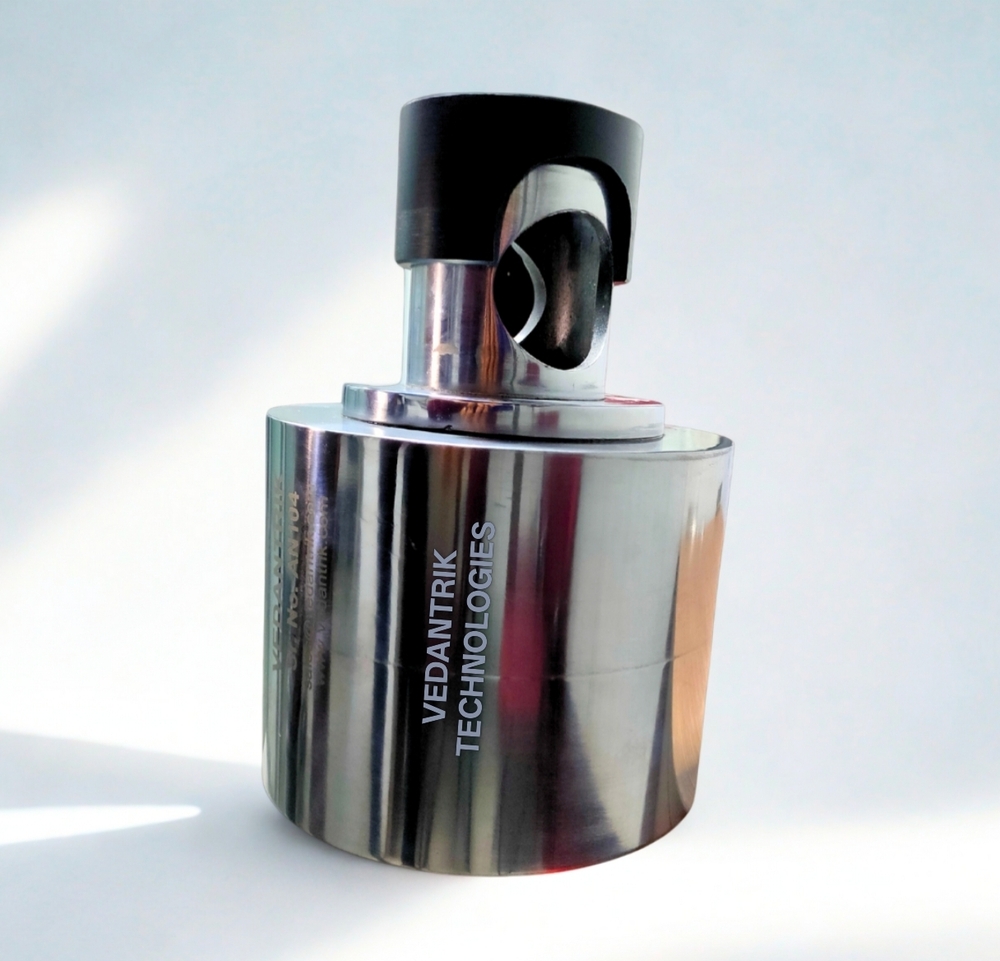

Anvil for Rebound Hammer Calibration
Anvil is used as a certified reference Material to verify the Rebound Hammer calibration, Generally Rebound Hammer should give 80+/-2 on standard Anvil, having Rockwell Hardness HRC 66+/-2 as per IS 516 if the rebound hammer is functionally in good and calibrated condition.
Its primary purpose is to provide a standardized and consistent reference for checking and calibration of the accuracy of the rebound hammer (also known as Schmidt Hammer), which is widely used to assess the surface hardness and estimate the compressive strength of concrete structures. Over time, the mechanical components of the rebound hammer, such as the spring, plunger, and the impact mass can undergo wear and tear, leading to deviations in the rebound readings. The steel anvil allows it to identify such errors, so that they are corrected before the hammer is used on the actual concrete surface.
The calibration anvil is constructed from high-grade alloy, hardened, and tempered to achieve surface uniformity and mechanical strength, ensuring that energy losses due to vibration or movement are minimized. The impact surface of the anvil has a Rockwell hardness of approximately HRC 66 2 as per IS 516, which provides a very dense surface similar to an idealized standard. This ensures that when the rebound hammers plunger strikes the anvil, the resulting rebound number depends solely on the impact energy and hammers internal mechanism and not on surface inconsistency.
During the calibration process, the rebound hammer is held perpendicular to the anvils surface, and multiple test impacts, usually between 6 - 8 strokes performed. The average rebound number is compared to the standard reference values, which should be generally 80 2, and if the reading falls within this range, the hammer is considered properly calibrated. However, if significant deviation is observed, it indicates that the hammer may need Repair, or mechanical servicing is required to restore its accuracy. Hence using a properly calibrated rebound hammer on Anvil guarantees that subsequent concrete test Rebound Hammer is accurate.
Purpose of Anvil:
To ensure that the rebound hammer gives a consistent and accurate rebound number.
Useful for verifying the rebound hammer performance.
Calibration on the anvil helps to identify wear and tear, spring weakness, or other faults in the hammer.
Using Anvil ensures the hammer meets requirements of different standards like IS 516, ASTM C805.
Principle of Anvil:
The calibration of a rebound hammer fundamentally depends on the interaction between the hammers plunger and a reference material with well characterised mechanical properties. The Anvil is employed as this reference due to its near-ideal elastic behaviour, uniform density, and negligible energy loss under impact. Unlike concrete, which is heterogeneous and can exhibit variable mechanical responses, steel anvil provides a highly consistent and predictable surface for the hammer to strike. Its high elastic modulus, along with high strength, ensure that the contact between the hammers plunger and the steel surface remains almost entirely elastic, with minimum permanent deformation. This consistency allows the rebound hammer to give reproducible rebound readings, which serves as a benchmark for instrument calibration.
The principle behind this process is rooted in its basic mechanics, where the rebound hammers plunger strikes the surface with defined velocity, and part of its kinetic energy is returned as it rebounds. The amount of energy returned, and hence the rebound distance or reading, depends on the hardness and elasticity of the surface. When the hammer strikes the plunger in contact with the anvils surface, it absorbs virtually no energy through plastic deformation, and rebounds with a velocity close to its theoretical maximum for a perfectly elastic collision. This makes the steel anvil ideal standard, providing a reference rebound value that is consistent and unaffected by the natural variability present in materials like concrete. Additionally,by providing a stable reference, it allows for the detection of systemic errors, verification of the internal plunger and spring mechanism, and identification of any calibration drift over time.
Components:
Anvil: A solid, hardened steel block with a flat, polished surface used to calibrate rebound hammers. As per IS 516 anvil should have Rockwell hardness of approximately HRC 66 2.
Standard Procedure for Rebound Hammer Calibration: Overview
Preparation of the Anvil: Place the steel anvil of a rigid surface, and ensure the top surface is clean, to get accurate and repeatable impact measurements.
Positioning the Rebound hammer: Hold the rebound hammer perpendicular to the anvil surface.
Take readings: Press the hammer against the anvil until the plunger releases, then record the rebound reading. Repeat the measurement at least five times.
Checking the calibration: Compare the average rebound value with the standard reference values, and if the reading falls within the range, the hammer is considered properly calibrated. Deviations indicate that the hammer may need re-calibration or maintenance.
Result interpretation:
For calibration, the rebound hammer is held vertically downward and pressed against the surface of the anvil until the plunger is released, then the rebound number is recorded. This step is performed multiple times and the average rebound value is calculated. The average rebound number is compared to the standard reference values, which is 80 2, and if the reading falls within this range, the hammer is considered properly calibrated.
Factors Influencing the Anvil Calibration of Rebound Hammer:
Surface Hardness and Condition of the Anvil: The reference anvil must have a standardized hardness (HRC 66 2). Any wear, dents, or corrosion on its surface can change the rebound energy , leading to inaccurate calibration results.
Operators Technique: Variations in holding and pressing positions can affect the readings. Difference in impact angle, pressure, or positioning on the anvil can introduce inconsistencies.
Condition and Type of Rebound Hammer: The internal spring strength, plunger smoothness, and general wear of the hammer components affect its performance.
Calibration Frequency and Equipment Age: Over time, repeated use can cause mechanical fatigue or loss of spring tension. Regular calibration at recommended intervals ensures reliable performance and compensates for gradual changes.
Misalignment During Impact:
If the hammer is not held perpendicular to the anvil surface, some of the impact energy is lost laterally, giving an incorrect rebound number.
Unstable Anvil Setup:
The anvil must be placed on a solid, vibration-free base. Any instability or movement during impact can absorb energy and cause calibration errors.
Inconsistent Impact Force or Handling:
Variability in how the hammer is pressed against the anvil or triggered can cause fluctuations in results. Calibration requires uniform and controlled impacts.
Human Reading or Recording Errors:
Misreading the rebound index or incorrectly recording data can result in false calibration outcomes. Double-checking readings can minimize this error.
Anvil by Vedantrik technologies
Accurate testing of concrete strength begins with properly calibrated instruments. One of the most critical tools in this process is the Rebound Hammer, widely used for non-destructive testing (NDT) of concrete surfaces. To ensure that the rebound hammer provides consistent and reliable readings, regular calibration against a standard reference surface such as the Rebound Hammer Calibration Anvil is essential.
Vedantrik Technologies offer high-precision Steel Anvils specifically designed for the calibration of rebound hammers. These anvils are manufactured in accordance with both national and international standards, ensuring dependable performance and long-term durability.
As per IS 516, the standard hardness of the calibration anvil must be HRC 66 2, and when tested, the average rebound number obtained on such anvils should fall within 80 2. If the rebound readings fall within this specified range, the hammer is considered properly calibrated and ready for accurate field use.
Without proper calibration, rebound hammer readings can be inconsistent or misleading, leading to incorrect assessments of concrete strength and potential structural safety concerns. Using a standardized calibration anvil ensures that every reading taken is backed by precision, reliability, and confidence.
By routinely calibrating rebound hammers, engineers maintain accuracy in strength evaluations and avoid potential errors in quality checks. It is an essential practice for laboratories, consultants, and contractors committed to delivering reliable results.
For calibration anvils in Mumbai, connect with Vedantrik Technologies and ensure precision in your rebound hammer testing.

Price:
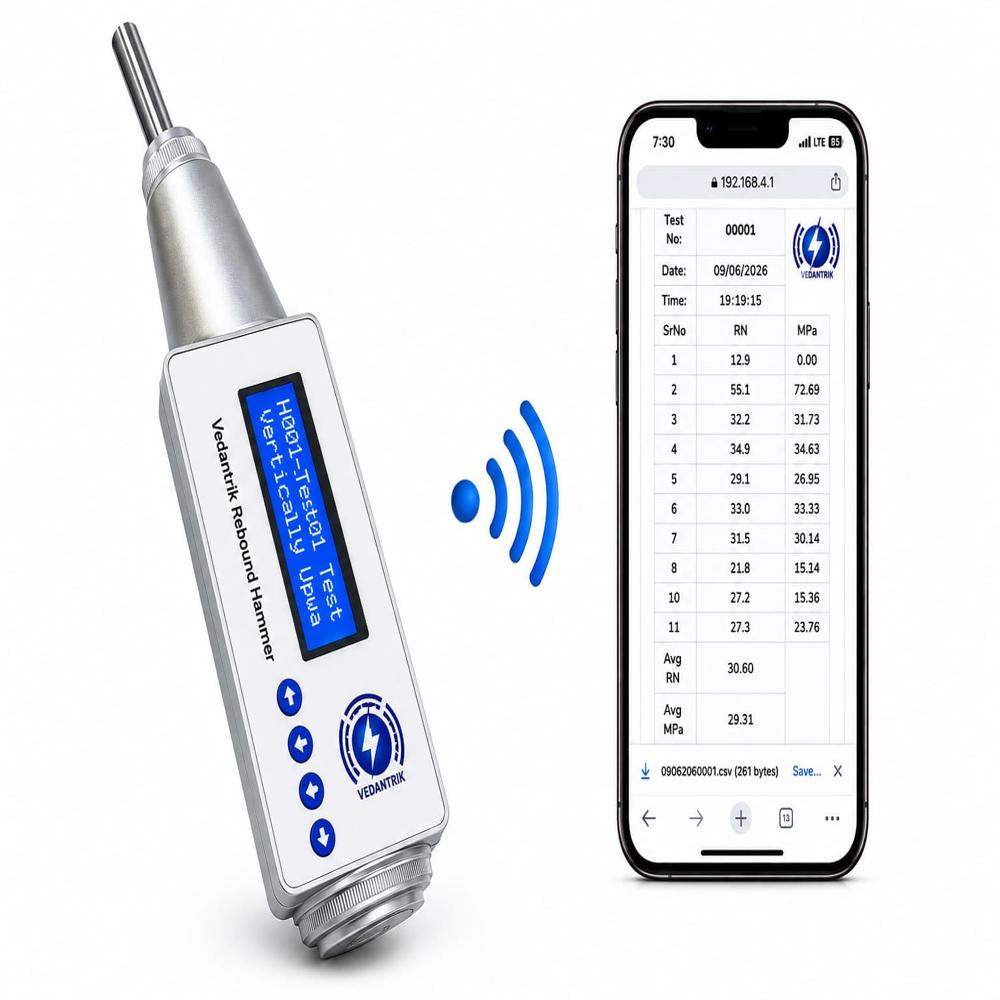
Price 48000.0 INR / Piece
Minimum Order Quantity : 1 Piece
Surface Finish : Polished & Matt
Shape : Rectangular Body with Cylindrical Protrusion
Features : Digital display, high accuracy, data storage, easy calibration
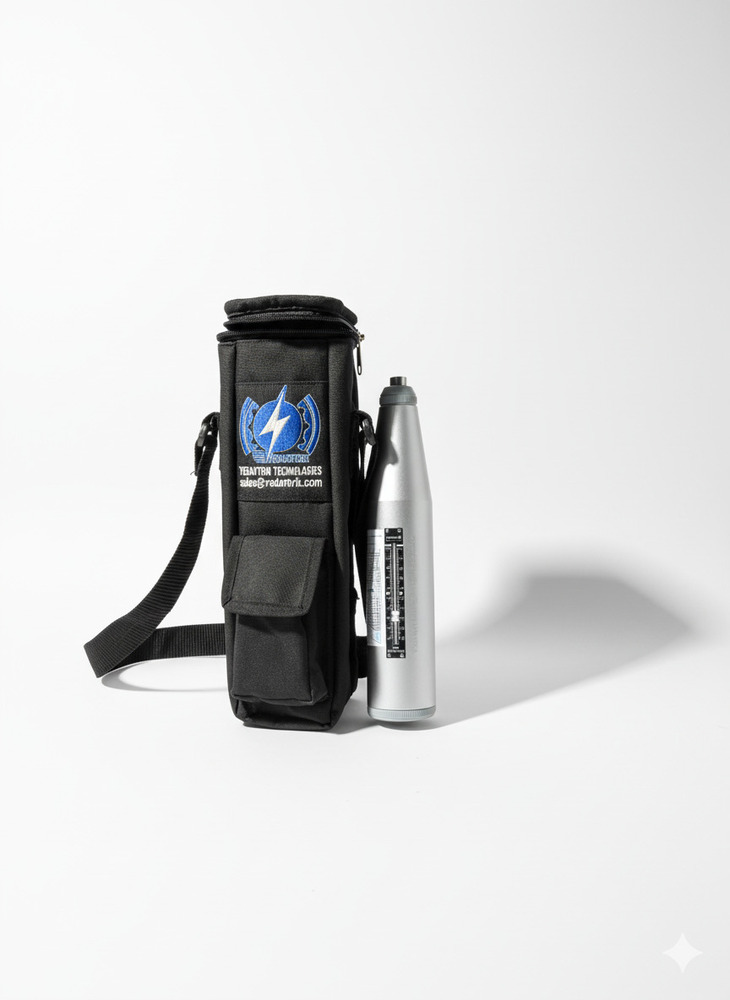
Price 25000.0 INR / Piece
Minimum Order Quantity : 1 Piece
Surface Finish : Polished
Shape : Round
Features : High quality
Usage : Industrial
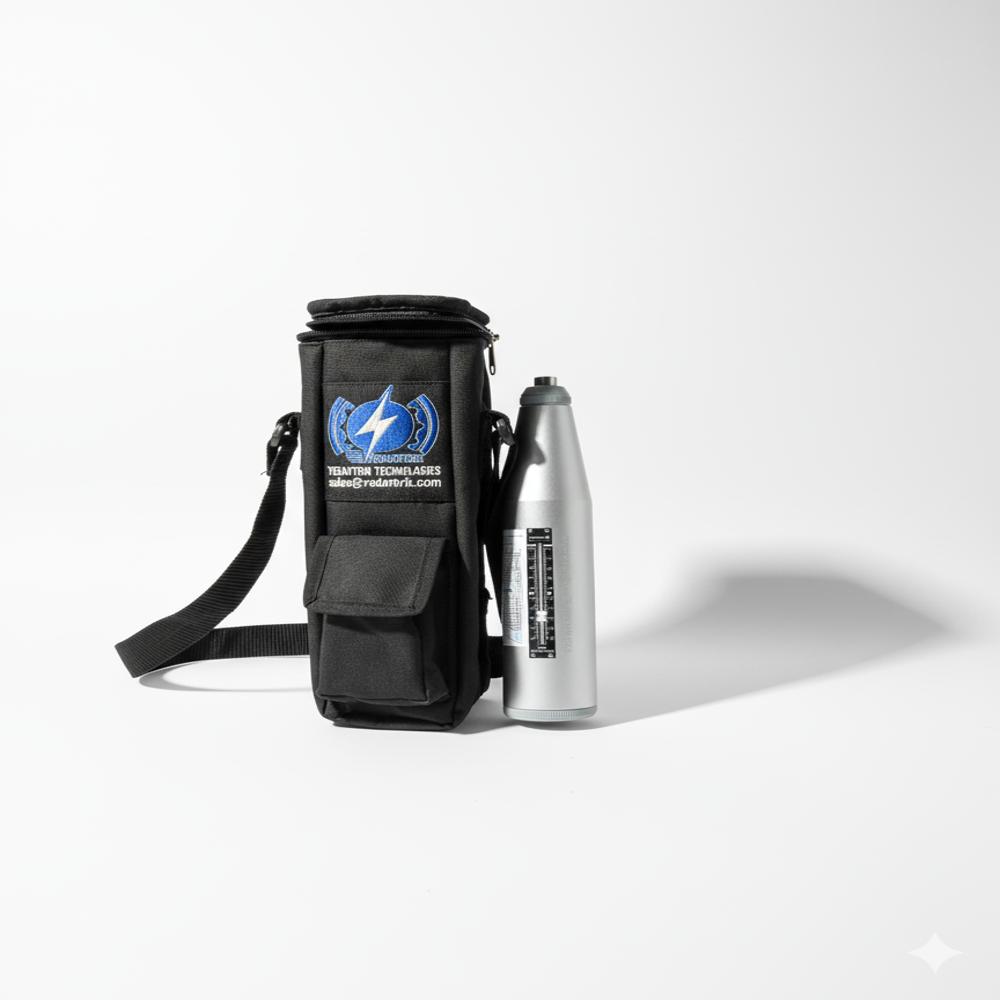
Price 25000.0 INR / Piece
Minimum Order Quantity : 1 Piece
Surface Finish : Polished
Shape : Round
Features : High quality
Usage : Industrial
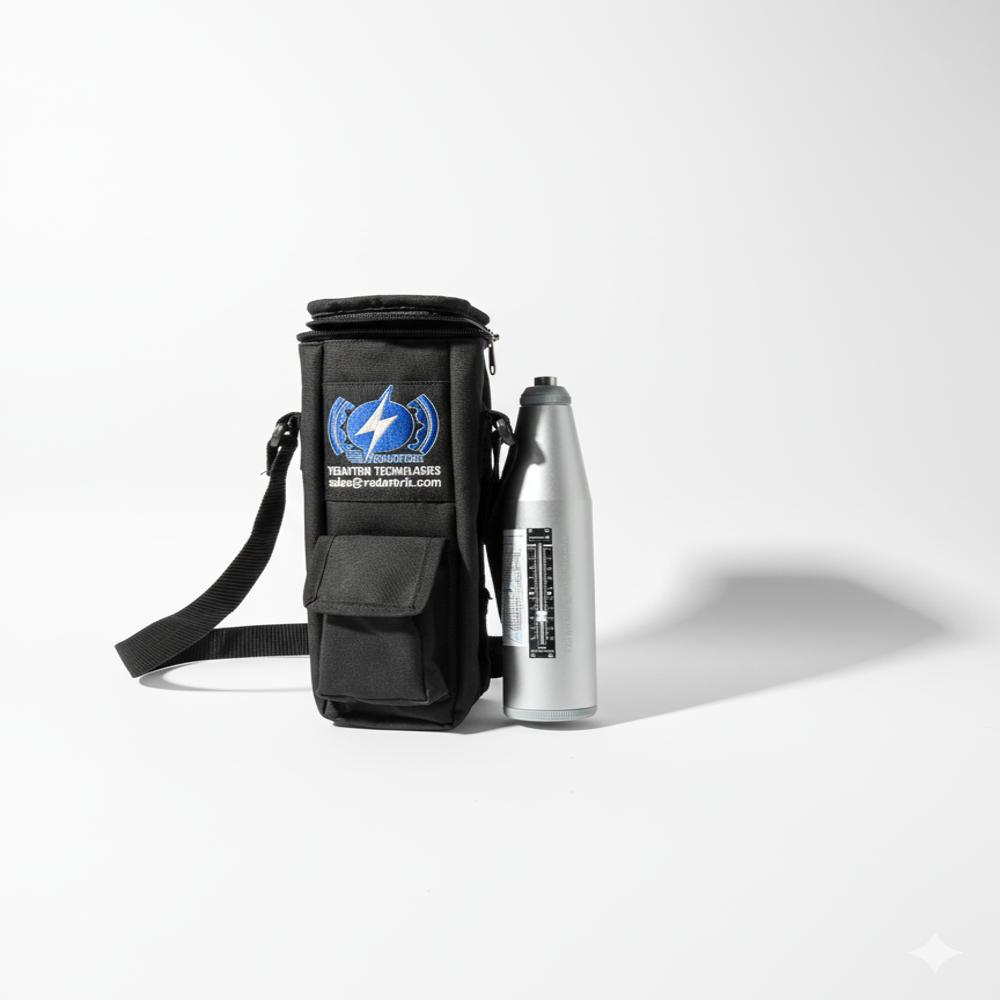
Price 25000.0 INR / Piece
Minimum Order Quantity : 1 Piece
Surface Finish : Smooth
Shape : Round
Features : Good Quality
Usage : Industrial


 Get Latest Price

 Send Inquiry
 Send Inquiry
 Send SMS