

Call us now
07971191840
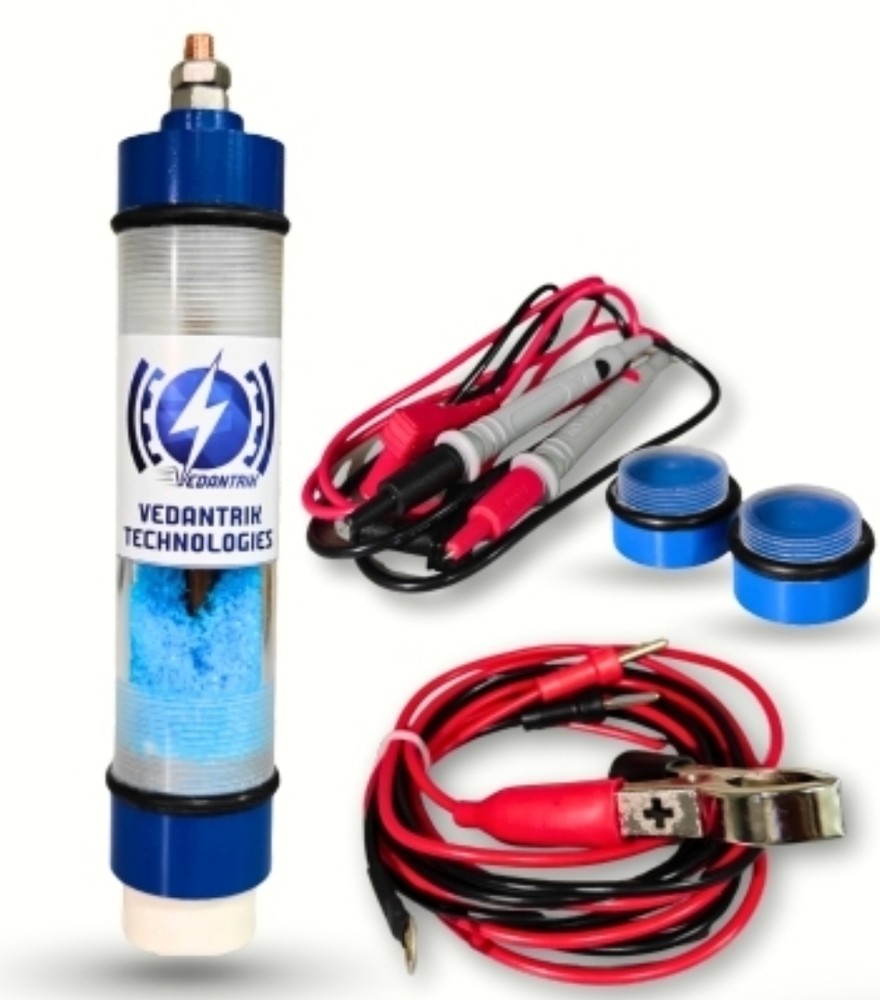

The half-cell electrode is an important component of Half Cell Corrosion Potential test apparatus, which is generally employed to estimate the likely hood of the corrosion in the steel reinforcement. Its main purpose is to act as a reliable and steady reference point so that the electrical potential of the metal being measured can be compared to something constant. Among all the types of reference electrodes available, the copper/copper sulfate (Cu/CuSO) half-cell electrode is the most commonly used for concrete applications. A half-cell electrode must produce a consistent electrical potential that does not change with every small variation in the surroundings. The Cu/CuSO electrode contains a pure copper rod inside a saturated copper sulfate solution, these two materials naturally form a balanced chemical state, giving the electrode a predictable electrical potential. The construction of a Cu/CuSO electrode is carefully designed to protect this stable internal environment. The copper rod is placed inside a sturdy plastic tube or container that is inert and does not react with the solution inside. The copper sulfate solution surrounding the rod must be saturated, and it keeps the concentration steady, helping the electrode maintain its constant potential even when small amounts of water are lost over time.
At the bottom of the electrode contains a porous plug. This plug is usually made of ceramic or another material full of small connected pores. It acts as the bridge between the inside of the electrode and the outside environment. The porous plug allows ions to pass through so that electrical contact can be made with the concrete surface. It is important to note that If the plug becomes dirty, dry, or clogged, the electrode cannot function properly because the electrical connection becomes weak. For this reason, it is important to keep the porous plug clean and damp before and during use.
Another important part of the electrode is the copper sulfate solution inside it. This solution must remain free from any contamination, as it may change the chemistry inside the solution. Sometimes contaminants from the concrete surface, especially chloride ions, can enter the electrode through the porous plug. When this happens, the internal chemistry can shift slightly, causing the electrodes potential to change. To prevent this, the electrode requires occasional maintenance where the solution is replaced and the inside of the housing is rinsed. As long as the solution stays saturated and uncontaminated, the electrode will continue to give stable readings. The durability and practicality of the Cu/CuSO half-cell electrode also make it ideal for use in the field.
One of the greatest strengths of the Cu/CuSO electrode is that its readings are highly repeatable. Two electrodes of the same type, if properly maintained, should give nearly the same potential when tested under the same conditions. This consistency is extremely important because the whole purpose of a half-cell electrode is to provide a reference point that does not change from day to day or from one location to another.
The reference electrode such as a copper/copper sulfate (Cu/CuSO4) provides a stable known potential against which the steels potential can be compared. The steel reinforcement, if corroding, will show negative potential due to the anodic reactions taking place on its surface.
For analysis of the obtained value it becomes necessary to understand the significance of the measured potential. According to the standards like ASTM C876, a potential value measurement that is more negative that -350 mV generally indicates high probability of corrosion activity occurring at the time of measurement. It is important to notes that the test only reflects the potential of corrosion at the time of testing and does not quantify the rate and the extent of corrosion damage. Several factors can influence the test accuracy and its interpretation. Moisture content plays an important role, as higher moisture content naturally increases the ionic conductivity of the concrete. Surface conditions, such as coatings or contaminants can affect electrical conductance or measurement accuracy.
Maintenance plays an important role in keeping the half-cell electrode functioning correctly. The porous plug should always be moist, which helps ions move between the electrode and the concrete surface. If the plug starts to dry out, it can usually be restored by soaking it in clean water. If it becomes extremely dirty or clogged, it might need to be cleaned or even replaced. The copper rod should remain clean as well, since oxidation or dirt can interfere with its interaction with the copper sulfate solution. A light cleaning is usually enough to refresh it.
Inside the electrode, the copper sulfate solution must be checked from time to time. If the solution becomes cloudy, loses its color, or no longer has visible crystals, it may no longer be fully saturated. In such cases, fresh solution should be added, or the old solution should be replaced entirely. This ensures that the electrode maintains its stable internal chemistry and continues working accurately.
Vedantrik Technologies (Mumbai) produces a Cu/CuSO half-cell potentiometer electrode specifically for corrosion potential measurements in concrete. The electrode features a high-purity copper rod surrounded by saturated copper sulfate powder, in line with IS-516 standards.The body is made of transparent plastic, which helps users check the internal solution level. The tip contains a glass frit, ensuring ionic contact with concrete without leaking. The electrode offers a resolution of 1 mV, allowing precise and sensitive potential readings. It is designed for field use, rugged yet simple to maintain: the copper sulfate inside can be replaced, and the glass frit tip kept moist for reliable ion exchange.By combining a stable chemical system with a robust, user-friendly design, Vedantriks Cu/CuSO half-cell electrode offers a dependable and cost-effective reference tool for corrosion potential testing on concrete structures.

Price:


 Get Latest Price

 Send Inquiry
 Send Inquiry
 Send SMS